Compare Local Contractors for Professional Tree Pruning Services
Compare local contractors for tree pruning to define scope, verify experience, and set clear expectations to ensure a safe, professional job.
Tree pruning services typically encompass the careful trimming and shaping of trees to maintain their health, improve their appearance, and ensure safety around a property. This work may involve removing dead or diseased branches, thinning out dense foliage, reducing the size of overgrown limbs, and shaping trees to promote proper growth. Proper pruning can help prevent potential hazards caused by falling branches or unstable limbs, especially in areas with frequent storms or high winds. When considering tree pruning, it’s important to understand the scope of work needed to address the specific needs of each tree, which can vary based on species, size, and location on the property.
Defining the scope of tree pruning work is a crucial step in selecting the right service provider. Clear communication about what needs to be done helps ensure that property owners and contractors share the same expectations. A detailed scope might specify which branches or sections of the tree are to be pruned, the desired shape or size, and any safety concerns to address. Having this information in writing can prevent misunderstandings and provide a basis for evaluating the quality of work performed. It also allows property owners to compare different local contractors based on their understanding of the project and their proposed approach.
Property owners can effectively compare local contractors for tree pruning by examining their experience, reputation, and the scope of services offered. It’s helpful to review any available credentials or references that demonstrate a contractor’s familiarity with the types of trees on the property, as well as their approach to pruning practices. Asking for written proposals or scope outlines allows for side-by-side comparison of services, ensuring that expectations are aligned before work begins. Choosing a contractor with a clear understanding of the project needs and a transparent process can support a successful and satisfactory outcome for maintaining healthy, well-shaped trees.
Compare local contractors by outlining priorities, verifying experience, and clearly defining scope and expectations in writing.
- Compare Contractor Experience - Review the background and expertise of local contractors to ensure they have relevant tree pruning skills.
- Define Project Scope - Clearly outline the pruning requirements and expectations in written agreements.
- Verify Credentials - Check references and previous work to assess the reliability and quality of local service providers.
- Set Clear Expectations - Communicate specific pruning goals and safety considerations to ensure alignment before work begins.
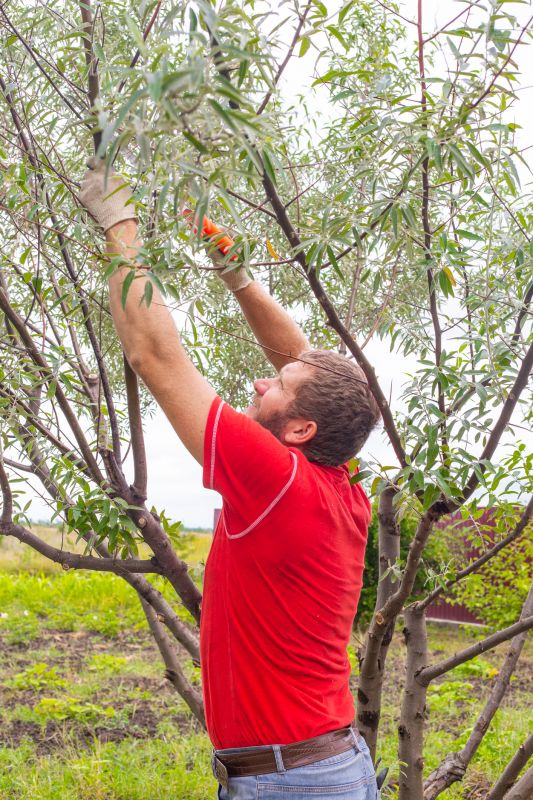
Compare local contractors by clearly describing your tree pruning project, defining scope, verifying experience, and setting expectations in writing.
- Verify the contractor’s experience with tree pruning projects similar in scope and complexity. - Ensure the scope of work is clearly defined and documented in the service agreement.
- Assess the contractor’s knowledge of proper pruning techniques to promote tree health and safety. - Confirm that the service provider understands the appropriate pruning methods for different tree species.
- Check references or reviews to gauge the quality of the contractor’s previous tree pruning work. - Look for feedback on their attention to detail and adherence to industry standards.
- Ensure the scope of work includes specific pruning objectives, such as removal of dead branches or clearance. - Clarify what pruning tasks will be performed and what will be left untouched.
- Confirm that the contractor will evaluate the tree’s condition and identify potential hazards before pruning. - Make sure they plan to assess the tree’s health and structural stability prior to work.
- Discuss the project’s scope in writing to establish clear expectations and prevent misunderstandings. - Have a detailed work plan or contract that outlines all agreed-upon tasks and responsibilities.
Compare local contractors’ experience and clarify project scope to ensure clear expectations and quality work.
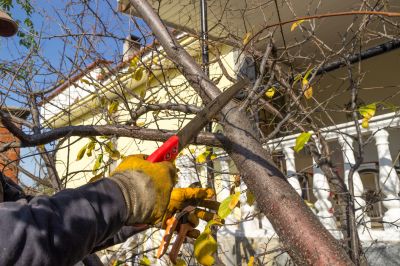
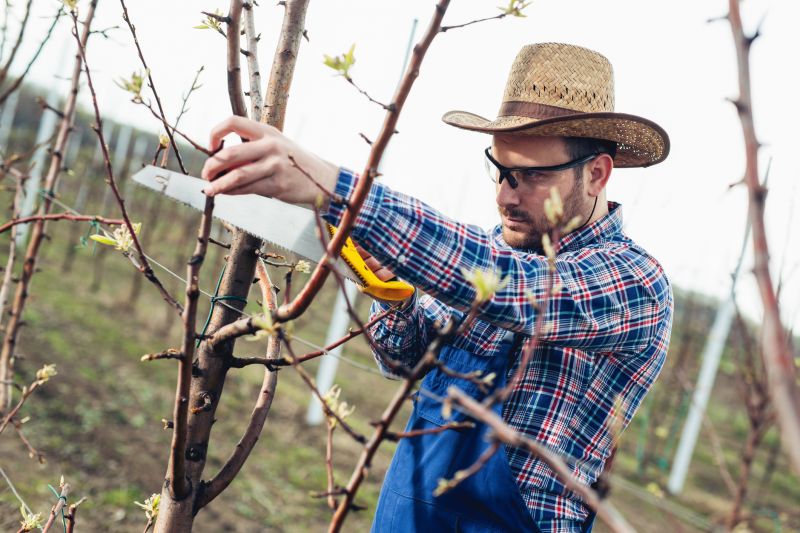
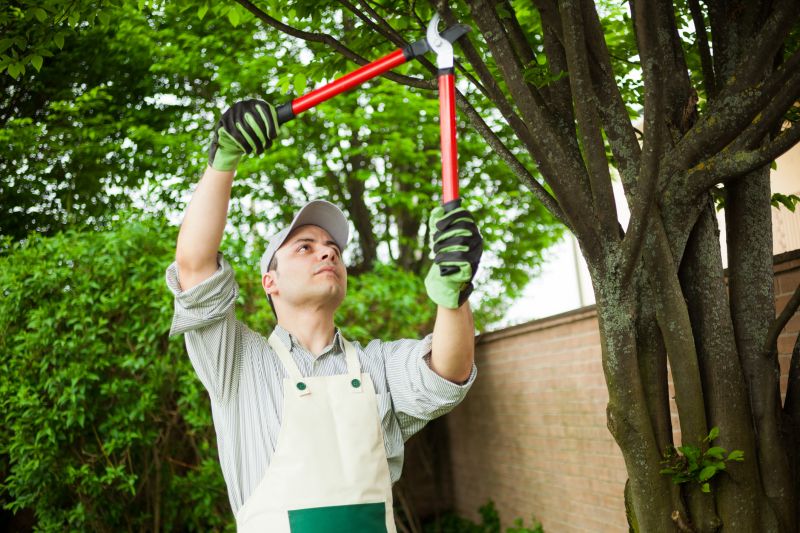
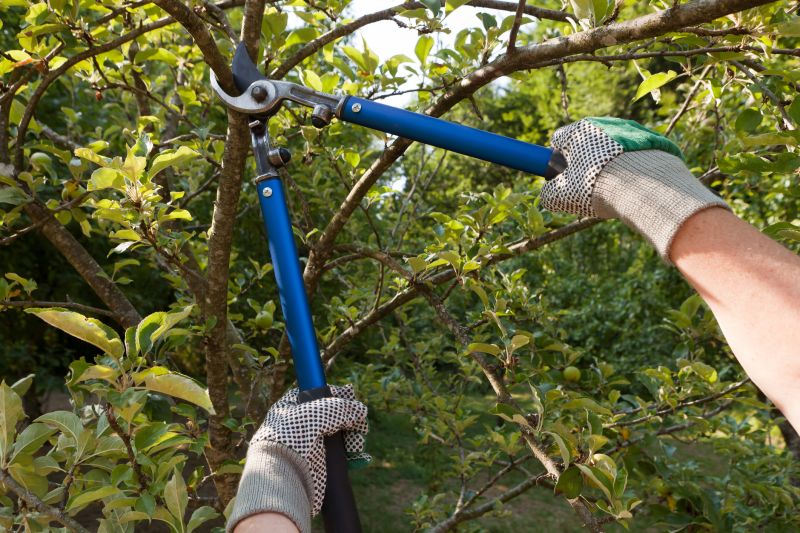
Learn how to compare local contractors for tree pruning by defining scope, verifying experience, and maintaining consistent expectations.
- Define scope of work - specify the types and extent of tree pruning required for the property.
- Verify experience and expertise - ensure service providers have relevant experience with tree pruning techniques.
- Outline safety and access considerations - clarify any safety protocols and access requirements for the work area.
- Establish communication expectations - determine how scope details and project updates will be documented in writing.
- Compare local contractors - review and assess multiple service providers based on scope, experience, and written agreements.
When evaluating contractors for tree pruning, it is important to consider their experience with similar projects. Service providers who have a history of working on trees of comparable size, species, and landscape conditions are more likely to understand the specific challenges involved. Inquire about the types of trees they have pruned in the past and whether they have handled projects similar to your property’s needs. This helps ensure that the contractor possesses relevant expertise, reducing the risk of improper pruning practices that could harm the trees or your landscape.
A clear, written scope of work is essential when comparing tree pruning contractors. The scope should outline specific tasks, such as which branches will be removed, the intended shape or health goals, and any safety measures to be followed. Having this information documented helps set expectations and provides a reference point for ensuring all parties agree on what the project entails. It also facilitates communication and can prevent misunderstandings that may arise during or after the work is completed.
Verifying the basics of a contractor’s background involves confirming their experience, reputation, and adherence to industry standards. Request details about their work history, and if possible, ask for references or examples of previous projects. Confirm that they follow safety protocols and have appropriate equipment for the scope of the job. Conducting a simple background check or seeking feedback from past clients can provide additional assurance that the service provider is capable of delivering quality tree pruning services responsibly.
When comparing options among local contractors, focus on their experience, clarity of scope, and verification of credentials rather than prices. Review the written project details, ask about their approach to pruning techniques, and seek evidence of their experience with similar trees. It is also helpful to ask how they plan to manage potential challenges or hazards on your property. This approach ensures that the selection process is based on expertise and professionalism, leading to a more informed decision that aligns with your landscape’s needs and safety considerations.
Ask contractors to provide written scope details to ensure clarity and consistency throughout the tree pruning project.
- Experience and Specialization - What specific experience do the contractors have with tree pruning projects similar to yours?
- Scope of Work - How clearly do the contractors define the scope of pruning services included in their proposals?
- Comparison of Services - What differences exist between the pruning methods and techniques offered by various service providers?
- Work Approach and Techniques - How do the contractors plan to approach the pruning to ensure safety and tree health?
- Written Agreements - Do the contractors provide detailed, written descriptions of the work to be performed and the expected outcomes?
What should I consider when comparing tree pruning contractors? Focus on their experience, reputation, and the scope of services offered. It's important to review details about their work quality and ensure they understand your specific pruning needs.
How can I define the scope of a tree pruning project? Clearly outline which trees or branches need attention, the desired outcomes, and any safety or access considerations. Providing detailed information helps contractors understand your expectations.
What questions should I ask to verify a contractor’s experience? Inquire about their previous projects, the types of trees they have pruned, and their familiarity with different pruning techniques. Request references or examples of past work if available.
Why is it important to get a written scope of work? A written scope clarifies the work to be performed, sets expectations, and helps prevent misunderstandings. It serves as a reference for both parties throughout the project.
How can I compare the professionalism of different service providers? Evaluate their communication clarity, responsiveness, and willingness to discuss project details. Consistent and transparent communication indicates a professional approach.
What details should be included in a service provider’s proposal? The proposal should specify the scope of work, safety measures, cleanup procedures, and any other relevant details to ensure alignment on the project expectations.
Understanding the key aspects of hiring contractors for tree pruning can help ensure the job meets expectations. Visitors have learned how to clearly define the scope of work, verify the experience of service providers, and set clear expectations in writing. Comparing local contractors through a straightforward quote form allows for an informed selection process tailored to individual needs.
Using the quote form to explore options enables comparison among local contractors who specialize in tree pruning. This approach helps identify professionals equipped to handle the specific requirements of each project. Taking the time to evaluate and communicate preferences ensures a more confident decision when choosing a service provider.