Compare Local Contractors for Tree Canopy Thinning Services
Compare local contractors for tree canopy thinning to define project scope, verify experience, and set clear expectations in writing for a successful job.
Tree canopy thinning is a specialized service that involves selectively removing or reducing certain branches and foliage to improve the overall health and safety of trees on a property. This work typically includes assessing the canopy structure, identifying dead or overgrown branches, and carefully pruning to promote better air circulation and sunlight penetration. Property owners should ensure that contractors clearly understand the scope of work, including which trees or sections require thinning, to achieve the desired outcomes without risking damage to the trees or surrounding landscape.
Defining the scope of tree canopy thinning projects is essential for setting clear expectations and ensuring the work aligns with property goals. A detailed scope helps property owners and contractors agree on the extent of pruning, the types of cuts to be made, and the specific trees involved. It also minimizes misunderstandings and provides a basis for evaluating the quality of the work once completed. When discussing a project, property owners should ask contractors to outline the scope in writing, including the methods and areas covered, to facilitate transparency and accountability.
Comparing local contractors for canopy thinning involves assessing their experience, reputation, and approach to similar projects. Property owners can gather information by reviewing references, asking about previous work, and verifying the scope and methods proposed by each service provider. It’s helpful to seek detailed descriptions of how they plan to approach the thinning process and to ensure that their methods align with the property’s needs. By evaluating these factors, property owners can make informed choices and select contractors who are capable of delivering the work to meet their expectations.
Compare local contractors by outlining your priorities, verifying experience, and setting clear expectations in writing.
- Compare Contractor Experience - review the background and expertise of local contractors to ensure they are qualified for tree canopy thinning.
- Define Project Scope Clearly - specify the extent of thinning work to set accurate expectations and avoid misunderstandings.
- Verify Service Provider Credentials - check references or previous work to confirm the reliability of local contractors.
- Document Agreements in Writing - ensure all project details and expectations are clearly outlined in a formal agreement.
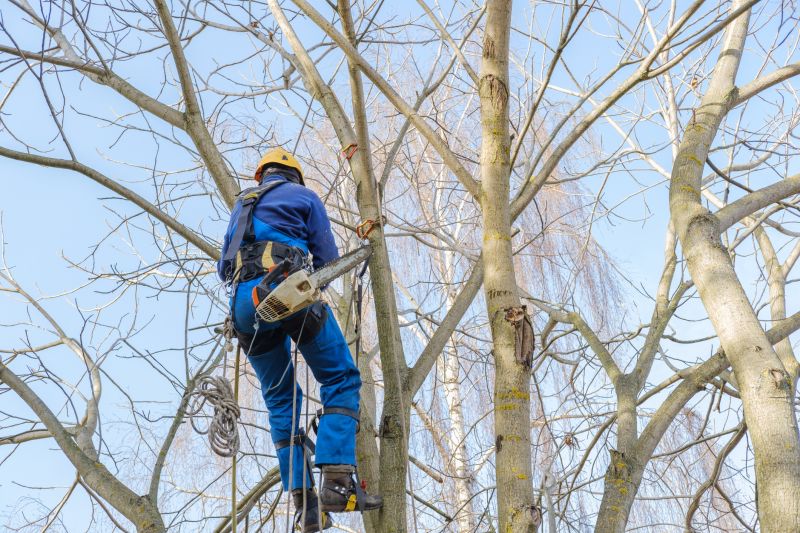
Clearly describe your tree canopy thinning project to effectively compare local contractors, define scope, verify experience, and set expectations in writing.
- Assess the contractor’s experience with tree canopy thinning projects to ensure familiarity with local tree species and conditions. - Verify that scope of work, including pruning techniques and extent of thinning, is clearly defined in writing before starting.
- Compare multiple local contractors to evaluate their methods and approaches for canopy thinning to find the most suitable option. - Ensure contractors provide detailed descriptions of their process and expected outcomes in the project scope.
- Check references or reviews to gauge the quality of past canopy thinning work performed by the service providers. - Confirm that the scope of work aligns with your specific tree health and landscape goals.
- Discuss and document the expected results, including how thinning will impact tree health and surrounding areas, in the written agreement. - Clarify any concerns about tree safety or potential damage during the process with the contractor.
- Verify that the service provider has appropriate equipment and techniques to perform canopy thinning safely and effectively. - Ensure that the scope of work covers cleanup and disposal of trimmed branches as part of the project.
Use this as a starting point to compare service providers, clarify scope, and set clear expectations.

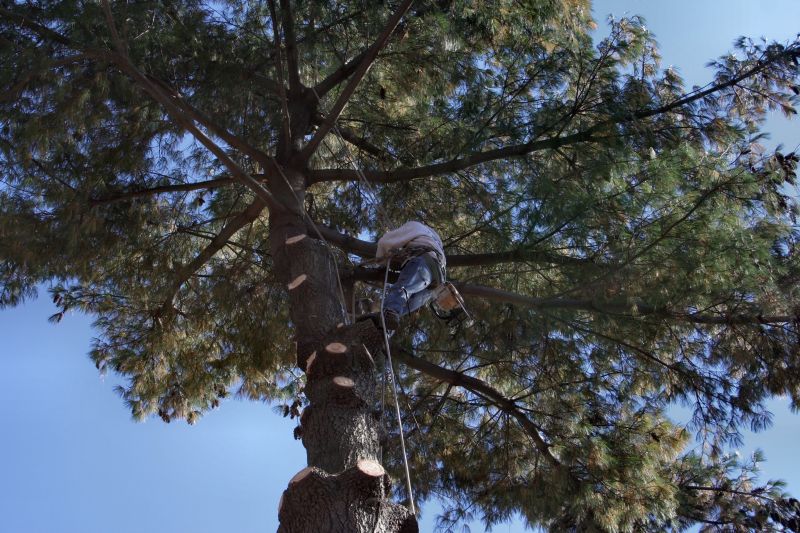
Learn how to compare local contractors, define project scope clearly, verify experience, and set written expectations for tree canopy thinning.
- Scope Definition - Clearly outline the specific areas of the tree canopy that require thinning and the desired outcome.
- Experience Verification - Confirm that the service providers have relevant experience with tree canopy thinning projects of similar scope.
- Methodology Clarification - Specify the techniques and tools that will be used to perform the canopy thinning process.
- Work Expectations - Document the extent of thinning, including the number of branches or foliage to be removed and the targeted canopy density.
- Written Agreement - Ensure all project details, including scope, methods, and expectations, are documented in a formal agreement with the chosen local contractors.
When evaluating contractors for tree canopy thinning, it is important to consider their experience with similar projects. Service providers who have a proven track record working on tree thinning or canopy management can better understand the specific challenges and best practices associated with this type of work. Asking about past projects or requesting references can help determine whether a contractor has the appropriate background to handle the scope of the job effectively and efficiently.
A clear, written scope of work is essential for setting expectations and ensuring both parties are aligned on the project details. A reputable contractor will provide a detailed description of the work to be performed, including the number and types of trees to be thinned, the methods to be used, and any specific goals or considerations. Having this scope in writing helps prevent misunderstandings and provides a basis for evaluating whether the contractor’s approach matches the homeowner’s objectives.
Verification of a contractor’s experience and qualifications goes beyond simply reviewing their claims. It involves confirming their familiarity with local tree species, understanding the site’s unique conditions, and ensuring they follow industry best practices. Requesting information about their previous work, inspecting references, or visiting completed projects can provide insight into their capabilities and reliability. This due diligence helps homeowners select service providers who are knowledgeable and capable of delivering quality results.
When comparing options among local contractors, focus on how well each one communicates their approach and clarifies project details in writing. Evaluate the comprehensiveness of their scope, the clarity of their explanations, and their responsiveness to questions. It is also helpful to consider their reputation within the community and their familiarity with local regulations or environmental considerations that might influence the project. By thoroughly assessing these aspects, homeowners can make informed decisions that align with their goals for tree canopy thinning.
Request written scope and expectations to ensure clarity and consistency when comparing local contractors for tree canopy thinning.
- Experience and Qualifications - What specific experience do local contractors have with tree canopy thinning projects?
- Scope of Work - How do contractors define and document the scope of the canopy thinning services they provide?
- Comparison of Services - What differences exist in the methods and techniques used by various service providers?
- Project Expectations - How do contractors clarify project goals and outcomes in written agreements?
- Work Process and Approach - What steps do local contractors follow to ensure the scope is clear and expectations are aligned?
What should I consider when comparing contractors for tree canopy thinning? It's important to review their experience with similar projects, verify their understanding of scope, and ensure clear communication about expectations. Gathering multiple proposals can help compare approaches and professionalism.
How can I define the scope of tree canopy thinning with a contractor? Clearly outline the goals, extent of thinning, and specific areas to be addressed. Providing detailed information helps contractors understand the work required and prevents misunderstandings.
What questions should I ask a contractor about their experience? Inquire about their previous work on tree canopy thinning, the types of trees they have worked with, and their familiarity with local regulations or best practices for the area.
Why is it important to get a written agreement with a contractor? A written scope of work and expectations help ensure both parties are aligned, reduce the risk of disputes, and provide a clear reference for the completed project.
How can I verify a contractor’s experience with canopy thinning? Request references or examples of past projects, and ask about their familiarity with different tree species and thinning techniques relevant to the local environment.
What should I include in a scope of work for canopy thinning? Detail the number and types of trees, the desired level of thinning, specific areas to target, and any particular methods or considerations to ensure clarity for the service providers.
Contractors for tree canopy thinning can vary in experience and approach, so understanding how to compare local service providers is essential. Learning to define the scope of work clearly and verify each contractor’s background helps set realistic expectations and ensures the project aligns with specific needs. Utilizing the quote form allows for straightforward comparisons, providing a practical way to evaluate options without the pressure of commitments.
By exploring options through the quote form, visitors can connect with trusted local contractors who specialize in tree canopy thinning. Gathering detailed information from multiple providers enables informed decisions based on scope, experience, and communication style. Taking the time to compare and clarify details helps ensure the chosen service provider can meet the project’s requirements effectively.